Inclusive Education
What should inclusive education look like for children with special needs (children with disabilities and diverse abilities)?
It is easy sometimes to get bogged down in semantics and numbers; I want to share a personal story that will highlight my opinions on a matter that is close to many parents’ hearts.
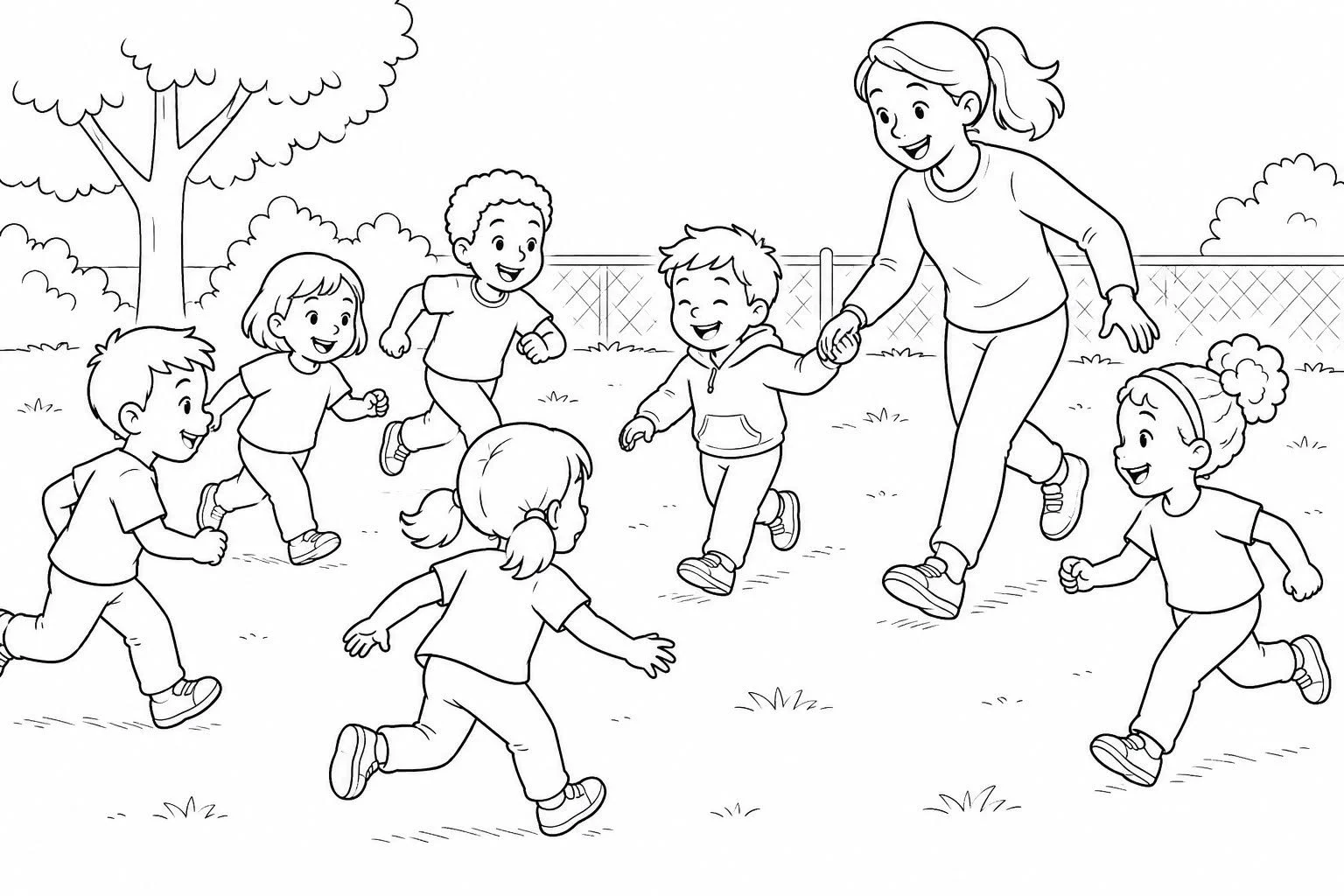
Couple months ago, I was giving a presentation for a kindergarten class that involved a lot of games and activities. One of the students, whom I know very well, was a child with special needs. He is non-verbal and can be disruptive. I think his education assistant and teacher did an excellent job incorporating him in the classroom environment. They did not overreact to his disruption, and the little disruption that it caused in no way harmed the experience of the other children. When he was given a break, it was to his own benefit above all. He even joined in for lot of the activities with assistance. This balancing act can be extremely challenging, but I have nothing admiration for the job they did. I hope they see this post.
We have above all a moral responsibility to provide an inclusive education for children with special needs, never mind a legal responsibility here in BC. SD73 has had its share of challenges with the budget for this, especially last year. This will become an increasingly challenging arena to navigate with changes to autism funding. Front-line help often has the biggest impact. I will prioritize funding for hands-on-deck funding, especially education assistants.
I don’t believe for a second that inclusive education for children with special needs stands at odds with education priority in schools; most of our educational shortfalls in BC are non-budgetary. More importantly, I think it is valuable for other students to be around students with special needs. That is valuable education that goes beyond academics.
If you have any personal experience or concerns on this matter, I would love to hear from you. I can always learn from your experience!